Home » ToolKit
Category Archives: ToolKit

Dr Thomson’s Alternative Toolkit#2– Sports
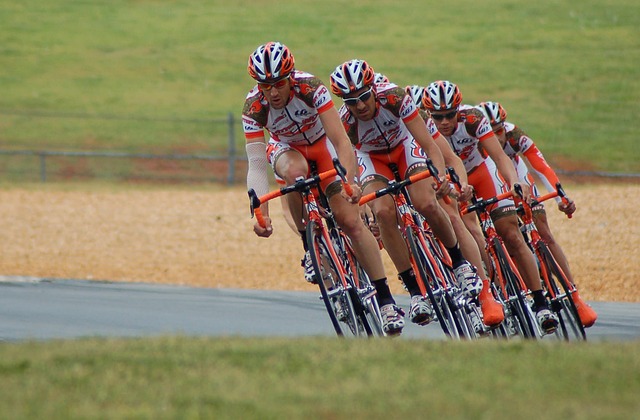 Of the large and growing population of users of homeopathy sports men and women are particularly likely to be represented and there are good reasons for this.
Consider the process of INFLAMMATION (with which all sports men and women will be familiar): a necessary process which, via a series of complex reactions and interactions, leads to the healing and renewal of damaged tissue. Conventional wisdom would have us believe it must be stopped at all costs and so we apply all manner of tools to slow or stop it in its tracks. Our pharmacy shelves are groaning under the weight of all the various options available to us to achieve this end – why? Well, inflammation is accompanied by the quaternion of horror: Calor (heat), Dolor (pain), Rubor (redness) and Tumor (swelling) i.e. DISCOMFORT, and conventional wisdom (which by a stroke of good fortune is matched precisely by our aversion to discomfort) has it that the Symptom is the Disease so remove the symptom and we remove the disease.
Well, no … remove the symptom and clearly we stop the healing process kindly provided by Mother Nature after many m/billions of years of development. So we should ask the obvious question – in healthy people can using anti-inflammatories retard the healing process? Yes it can, particularly with the NSAID (Ibuprofen, Voltaren, Celebrex) variety as multiple studies have shown (see www.ismoc.net/sportsmedicine/NSAIDs.html for a brief of the reasons why).
So what do we do instead to support the strains of sports activities?
Apart from Ice and Rest, Homeopathy suggests we use a very safe, super-diluted dose of a substance that, in a healthy person, would mimic the symptoms we are trying to treat - thus taking the view, radical as it may seem, that the body knows what it is doing and that it should be assisted rather than hindered in its endeavors.
Athletes use Homeopathic medicines because:
- they can have no harmful side effects
- anyone can use them
- as they are so dilute they can never show up on drug tests
- they are cheap
- they are never tested on animals (unless tested on humans first)
- they have a 200 year track record
- they work with the body’s own healing mechanisms and they can speed up the healing process
- they allow for an earlier return to training.
The following remedies are commonly used by sports enthusiasts:
Traumeel: (injectables, gel, cream, tablet forms are all available) for sprains, strains, lactic acidosis and bruising
Arnica Montana: Bruising and shock, restlessness in bed after excessive training/exercise
Ruta Graveolens: Sprains, Bursitis, periosteum injury, stiffness that is better for movement/warmth and worse in cold damp conditions
Rhus Tox: tendinitis, Plantar fasciitis, movement is worse on first movement but better for continued movement.
Symphytum: to aid the healing of fractures and bone injury.
Zeel: joint pain and inflammation, arthritis. A good alternative to Cox -2 inhibitors (e.g. Celebrex).
To find out more about homeopathy can help you manage and prevent sports injuries and keep your body in optimal condition get in touch today.
(Gratitude to Dr J Rodgers RSHom)
Dr Thomson’s Alternative Toolkit #3 – Colds and Flu
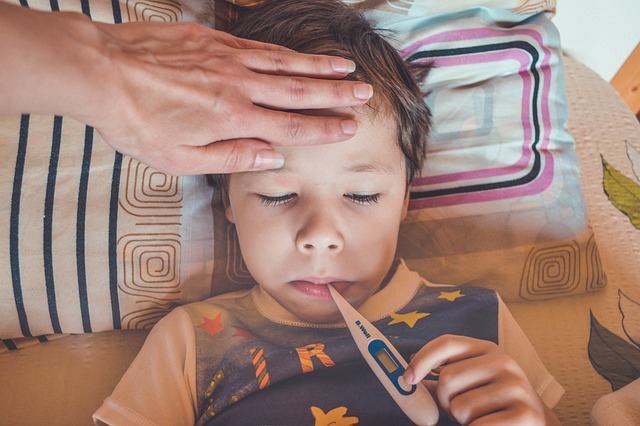 We have all noticed by now that there has been quite an uptick in colds and flu and other upper respiratory tract infections of late – the kids and elderly seem especially prone to “coming down with something” at this time of year but few of us get away unscathed. The reasons why this is so are varied but include:
- Temperature/seasonal changes - many people’s constitutions are sensitive to the change in temperatures and weather conditions we experience with the changing season.
- Increased microbial load – as there are more people infected with colds and flu, so the concentration of virus in the air increases (worse in enclosed spaces like offices and classrooms – open the windows and decrease the viral load!)
- “New” viruses – in the year or more since your last infection the various (limited number of) viruses to which our human system is susceptible have undergone varying amounts of modification due to inaccurate RNA replication in a multitude of human and other hosts. Depending on how much alteration there has been and how well we managed the previous infection, each of us will have a unique susceptibility to the new viral strain.
In the presence of novel and increased microbial/viral load even those people with relatively good health and strong constitutions may become susceptible to infection.
To the Holistically minded, and Homeopaths in particular, of primary importance is the terrain of the individual – more particularly the state of the immune system – which is why we favour Immune System Support whether it is herbal, nutritional or homeopathic in our approach to infection rather than attacking or removing the microbe entirely. The latter leads inevitably to ineffectual immune responses in future infections and there is some support to say that it may indeed lead to abnormal immune responses down the line. It is thus a common sense approach from beginning to end.
So, what tools do we have available to us to prevent and treat colds and flu?
Behaviour: lots of Fresh Air, fresh unprocessed Food (as organic as possible), Water and Rest. (Make sure your plate has lots of colourful food on it – I always tell the kids to make sure they are eating a rainbow every day! The pigments in our fresh foods contain a multitude of phytochemicals that provide all the vitamins, sterols, sterolins and other micronutrients we need day to day). Regular exercise, managing ones stress and simply washing your hands regularly at this time of year have all been shown to be of benefit as well.
Supplements: we know about Vitamin C and Zinc for fighting colds and flu but don’t forget a good dose of Garlic, Elderberry and/or Vitamin E are extremely useful to prevent colds and flu as well.
Herbs:
- Echinacea Purpurea/Angustifolia– it HAS to be the root, no other part of the plant provides the alkyl amides which do the work.
- Glycirrhiza Glabra – liquorice root to support the mucous membranes and the adrenal glands
- Olea Europea – olive leaf is an effective anti-viral and anti-fungal
- Ginseng – immune booster and adrenal tonic
- Andrographis – “Indian ginseng” – immune booster
Homeopathy: a “well chosen remedy” that accounts for the patient’s whole picture, the Similimum, is the ideal prescription and requires a qualified and properly trained homeopath to make this choice.
If you want something more general that is off the shelf and likely to be of benefit then the Heel range is worth having a look at: Gripp Heel, Tonsilla, Engystol, Euphorbium compositum and Vinceel are all well respected remedies in this regard.
There are also well established protocols using injectable remedies that provide a good prophylactic cover – speak to me if you would prefer this to the standard flu vaccine.
Dr Bruce Thomson
Dr Thomson’s Alternative Toolkit #4 – Biopuncture
 There have been quite a lot of questions and queries lately about the Biopuncture technique so I thought it might be useful to use this space to provide answers to the questions most often asked.
1. What is Biopuncture? Biopuncture is a safe and efficient complementary medicine technique that involves the injection of sterile biologic products into specific locations of the body to stimulate the natural self-healing capacities of your body. A very small amount of the substance is injected under the skin or into the muscle or tendon using a fine needle – it is quick and easy and involves little if any discomfort. Very often I will inject into acupuncture points to maximize the possible benefits of the treatment.
2. What substances are used for the injections? Sterile biologic products are used which include both natural and pharmaceutical substances in low dose. I use homeopathic products almost exclusively. Homeopathic substances are micro-doses of natural substances. I use: Traumeel for inflammation; Zeel for chronic arthritic and degenerative joint pain; Spascupreel for muscle cramping and tension; Engystol for viral or bacterial infections; Gripp-Heel for colds and flu treatment and prevention; Lymphomyosot to improve lymphatic drainage, assist detoxification, relieve swelling and oedema and to support the immune system; Hormeel for hormone balancing; and Co-Enzyme comp to support the Kreb’s cycle to improve healing and support energy production.
3. How does Biopuncture work? Biopuncture is not a magical cure. Its results can be tremendous, but because it usually uses micro doses, the goal is to initiate a healing process, not simply suppress symptoms. With conventional medicine, drugs are used to suppress symptoms; their benefits are often temporary, so the medication must usually be repeated. With the micro doses used in Biopuncture the aim is to stimulate your body’s own natural mechanisms so the healing comes from you, not from the products themselves. In this way the treatment may take a little longer to be effective but the results are far longer lasting. The practitioner chooses the ideal remedy to assist the body in its progress through its various healing phases.
The number of required treatments varies and depends on the individual, the severity and the duration of the problem.
4. Is it safe? Due to the low concentrations of the substances used side effects are negligible. The production values of the German manufacturer (Heel) are extremely high and their quality control impeccable. When applied by an experienced and qualified practitioner it is one of the safest healing techniques available.
5. What conditions can it treat? All inflammatory (‘-itis’) conditions, headaches/migraines, neck/back/joint pains both acute and chronic, sports injuries (in addition to the conditions listed above in 2)
To find out more about how biopuncture can help you with your condition, contact us today.
Dr Bruce Thomson
Dr Thomson’s Alternative Toolkit #5 – The Andropause
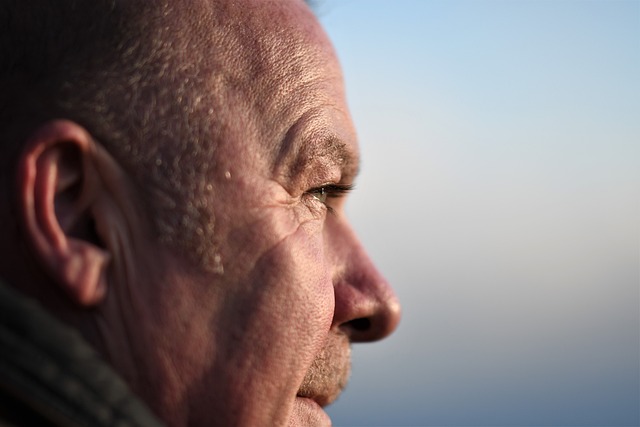 The Andropause or male menopause, sometimes colloquially called "man-o-pause", is a name that has been given, in some parts of the western world (because it is strangely absent in the rest of the world) to a set of effects that appears in some ageing men and which have some superficial similarities to the menopause in women. It is related to the slow but steady reduction in the production of androgens – testosterone and dehydroepiandrosterone (DHEA) – and increase in Sex Hormone Binding Globulin (SHBG) from the age of 40. Other descriptions in the medical literature for similar presentations are “Symptomatic Late Onset Hypogonadism” (SLOH) and “Androgen Deficiency of the Aging Male” (ADAM).
Andropause symptoms which may commonly appear are loss of libido, impotence, nervousness, depression, impaired memory, poor concentration, fatigue, insomnia, mood swings, flushes and sweating.
Differentiating it from menopause is the fact that it is gradual (often very) in onset unlike the menopause which often begins precipitously. Andropause is also not an indicator of the end of male fertility, rather just a decline in it - even though impotence is often part of its presentation.
It is observed that exposure to xeno–oestrogens (plastics, pharmaceuticals, pesticides) and having hypertension and diabetes places men at higher risk of presenting with andropause symptoms, but as with all chronic disease the outcome will be dependent on the Epigenetics - the gene expression resulting from the interplay between the individuals’ genetics and the environment.
Andropause treatment: there is heated debate in medical circles as to whether or not this is a condition that needs to be treated and there is a lot of resistance to even allowing it to be given a nomenclature/designation. It certainly can’t yet be found in the ICD-10 code system of the WHO. I suppose it should be up to the individual to decide, in discussion with his healthcare provider, whether or not his symptoms warrant treatment.
Non-negotiable in any approach to dealing with the condition is the need to address excess weight, poor diet (excess carbohydrates in particular) and lack of exercise.
The following medications are my primary tools in this arena:
Testis Compositum (Heel) – homeopathic complex remedy designed to promote inherent testosterone production through improved function of the Hypothalamus-Pituitary-Adrenal-Gonadal axis
HisSynergy (Metagenics) – combines Tribulus Terrestris, Ashwaganda and Cowage seed to support male sexual function and vitality
Testralin (Metagenics) – for healthy Testosterone and Oestrogen balance; supports the excretion of oestrogen metabolites; inhibits conversion of testosterone to DHT (prostate protection); powerful antioxidant support for hormone sensitive tissues.
In addition to the above, Treatment Protocols will often include:
- The correctly chosen homeopathic similimum which results from a well taken and complete case history.-
- A course of Acupuncture to address underlying deficiencies/excesses, to help reduce nervous tension and to support the healthy functioning of the neuroendocrine system.
- Breath work to enhance Vagal tone.
For homeopathic support with the management of your andropause or "man-o-pause" symptoms, get in touch with us today.
Dr Bruce Thomson
Dr Thomson’s Alternative Toolkit #6– Tips for Increasing Heart Health
 It may be annoying for me to state the obvious but the road to good heart health is as simple – and as difficult – as leading a healthier life!
Even small, steady changes in your life mean a stronger, more efficient heart. More than half of heart disease is preventable and studies have shown that, in women, 90% of heart attacks can be prevented. Women who eat loads of veggies, fruit, whole grains, fish, and legumes, drink moderate amounts of alcohol, exercise, maintain a healthy weight and don’t smoke have a whopping 92% decreased risk of having a heart attack compared with women with less healthy diets and habits (Archives of Internal Medicine) - It is not unrealistic to assume the same applies more or less to men!
If you have been told by your health care practitioner that you have a problem, or if you are monitoring your heart health via Blood Pressure, cholesterol, weight and BMI readings and you feel there is some room for improvement, the following are some useful tips to start turning the tide in your hearts favour:
- Increase your intake of Omega 3 fatty acids – nuts such as walnuts and pistachios as well as cold water fish are rich in omega-3 fatty acids. These are beneficial to heart health as they help to decrease inflammation in the arteries surrounding your heart and so keep your heart functioning longer and stronger. Other nuts, such as peanuts, macadamia nuts and almonds are a rich source of plant sterols which block cholesterol absorption in the intestines. Studies have shown that eating foods enriched with plant sterols lowers LDL cholesterol.
- De-stress: exercise, socialize, rest, sleep, breathe (using the diaphragm please). Engage in voluntary work where possible and count your blessings.
- Stop smoking - After one year, your heart disease risk is cut in half and after 10 years of not smoking, your heart disease risk is the same as for someone who has never smoked. Secondhand smoke counts too. A recent study found that women who are exposed to other people’s smoke increased their risk of heart attacks by 69%, strokes by 56%, and peripheral artery disease (PAD) by 67%, when compared with women who did not hang out around smokers. Clogged arteries in the legs, abdomen, pelvis, arms, and neck are linked with PAD.
- Measure your waist circumference for optimal heart health BMI: in women a waist measuring above 80cm indicates increased risk, in men the figure is 94cm. In fact it is the WHR (waist: hip ratio) that is the significant calculation; in women it should be below 0.85, in men below 1.0 – ratios higher than these will present in an Apple shape body type and this means higher risk of heart disease: Increased visceral fat = inflammation = increased cholesterol and other metabolic disorders such as insulin resistance.
- Herbal and nutritional assistance can be found in Hawthorn Berry (Crataegus Oxycantha/Monogyna), Arjuna Bark, Garlic, Niacin, CoQ10 among many, many others.
The alternative toolkit would not be complete without a request for you to please, if you have concerns about your cardiovascular health, allow your Homeopath to take a sound case, request the necessary investigations to be done and prescribe a well-chosen remedy that addresses your heart health concerns in a holistic manner.
Dr Bruce Thomson
Dr Thomson’s Alternative Toolkit #7– Responsible Management of Type 2 Diabetes
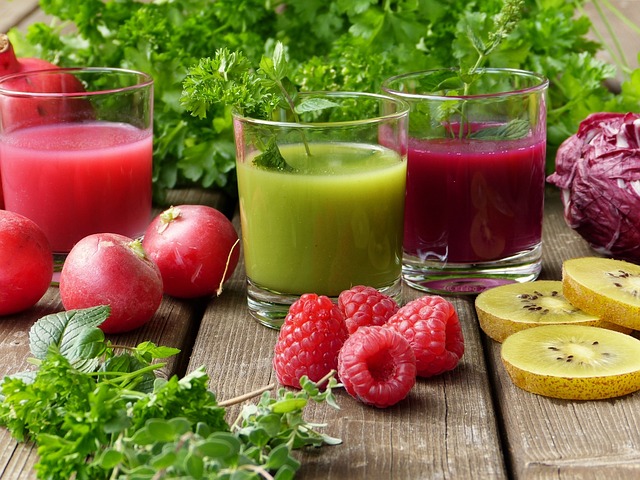 Dull as it may sound – and you may have heard this from me before in relation to other conditions – but the incontestable fact is that the responsible Doctor must first prescribe a satisfactory diet and suitable exercise routine. This is especially true for Type 2 Diabetes patients.
In my experience this form of diabetes is fantastically responsive to such simple corrections and any physician who does not “have a good chat” with his/her patient about the essential importance of losing 5-10% bodyweight and engaging in regular exercise is failing the patient. It makes no sense whatsoever to simply provide medications - conventional or otherwise - to address the problem when it is unambiguously a lifestyle disease and thus a change in lifestyle is the logical solution.
Indeed, research has shown repeatedly that the common medications used do not in fact reduce the long-term morbid outcomes in patients with Type 2 Diabetes – i.e. the medications may control the blood sugar and insulin resistance but they do not prevent progression to Diabetes or the attendant cardiovascular sequelae (study published in the New England Journal of Medicine).
I can confidently say that I have not had a patient who fails to entirely rectify this problem when they absorb the message and make the necessary changes to their eating habits and lifestyle.
Nutritional support for Type 2 Diabetes
I will almost always provide nutritional support in the form of various excellent medicinal foods (such as the Ultrameal Range from Metagenics), EPA/DHA and a chromium supplement. Where necessary for day to day blood sugar support 10g of almonds (per day) and cinnamon (there are various options on the shelf in the pharmacy) usually suffice for moderate cases.
Exercise for effective Type 2 Diabetes management
Exercise does not have to be exhaustive but it MUST be exhausting! The ideal is to engage in Interval Training of one form or another - short bursts of intense exercise. Researchers at the University of Glasgow showed that only 6 minutes of intense exercise a week could drop Insulin levels (in insulin resistant - i.e. pre-diabetic - subjects) by an average of 25%...with no change in diet at all!
Having said that, I look forward to seeing all of you who feel it is time to address your Type 2 Diabetes sensibly or who are concerned that you may be at risk of developing the condition. For assistance on your diabetes management journey, contact us today.
Dr Bruce Thomson
Dr Thomson’s Alternative Toolkit #8 – Oral Hygiene
 Given the value of a healthy set of teeth to our overall wellbeing and whether or not we take a good photograph, it comes as no surprise that traditional medicine systems provide a fair number of options for dealing with Dental Caries, Abcesses and Gingivitis – the 2 conditions I will limit myself to here as it almost goes without saying that a dentist is probably the best bet when it comes to anything more serious….
Oral bacteria (mainly Prevotella intermedia and Porphyromonas gingivalis) are the primary cause of gum disease. Gingivitis and periodontal disease take place as these bacteria build up on the gum line and, as their populations increase in the absence of effective oral hygiene, pockets form in the gums. The waste products of these bacteria are extremely acidic, and they erode the enamel and produce tooth decay. Worse, these bacteria also produce waste streams that can leak through the gums and enter our blood stream which can result in cardiovascular disease among other things.
Commercial antibacterial mouthwashes (eg Chlorhexidine, Zinc Nitrate) are not suggested by many natural health experts because, apart from their inherent toxicity, most act almost like antibiotics, wiping out all the mouth's probiotic bacteria along with pathogenic bacteria. This "clean slate" allows the pathogenic bacteria to grow back again, often in stronger and more resistant populations. So what can we do?
A 2011 study from Korea's CHA University in Kyonggi, using extracts from two forms of Sea Lettuce, Enteromorpha linza and Ulva pertusa, along with Sargassum (Sargassum sagamianum), were found to significantly block the growth of both P. intermedia and P. gingivalis and thus to significantly inhibit plaque, gingivitis and bleeding on probing. A mouthwash using the seaweed extract was found to significantly reduce the P. intermedia and P. gingivalis bacteria as well. The effects of the seaweed mouthwash were similar to those found in commercial mouthwashes without the unintended side-effect of destroying all the probiotic bacterial colonies. Unfortunately I have not been able to find commercially available examples to recommend to you.
So what can we do?
Turmeric/Curcumin: Research has shown that apart from its ability to destroy cancer cells on the oral mucosa and gut Curcumin is an effective alternative to Chlorhexidine even when used at half the concentration of the Chlorhexidine. The list of oral hygiene and other benefits officially attributed to Turmeric just gets longer and longer!
Propolis and Casein Phosphopeptide (RECALDENT): both have been shown to reduce tooth sensitivity and the latter to promote remineralization of the enamel. Propolis is fairly easy to find in South Africa and is easy to apply. Casein Phosphopeptide is found in some toothpaste but is most easily found in plain Yoghurt – thus making this food a regular accompaniment to our meals will be beneficial to the health of our teeth.
Oil Pulling: Oil pulling is an ancient Indian folk remedy first mentioned in the early Ayurvedic text, the Charaka Samhita, believed to have been written approximately 1500 years ago. One oil pulls by simply swishing a tablespoon of oil (sesame, coconut and sunflower are commonly recommended) in one's mouth for approximately 15-20 minutes on an empty stomach and then spitting it out. It has been described as effective for improving not just oral hygiene and health but also 30 other systemic diseases ranging from headache, migraine to diabetes and asthma.
Try it – you never know!
A word of caution: many people use Hydrogen Peroxide orally to cleanse the mouth and whiten the teeth. Unfortunately it has been shown to be cytotoxic to the Dental Pulp if it should find a way to it so should be used orally with some caution.
Need support with creating optimal oral health? Get in touch with us today.
Dr Thomson